Slurry containers

Slurry containers

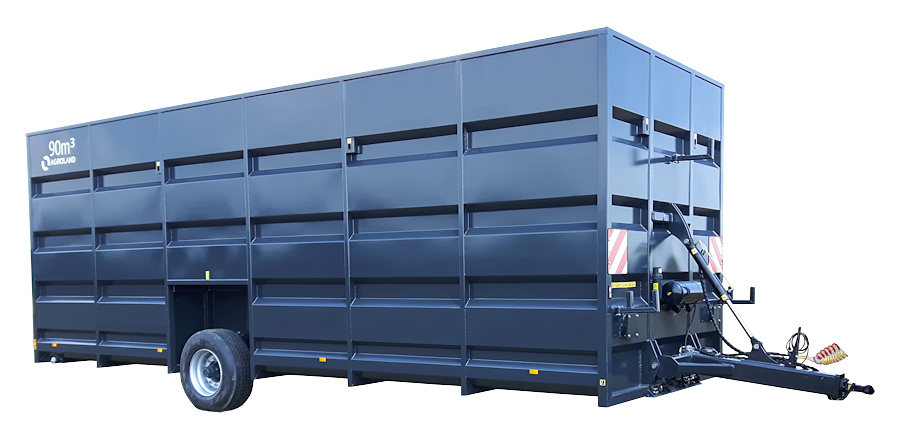
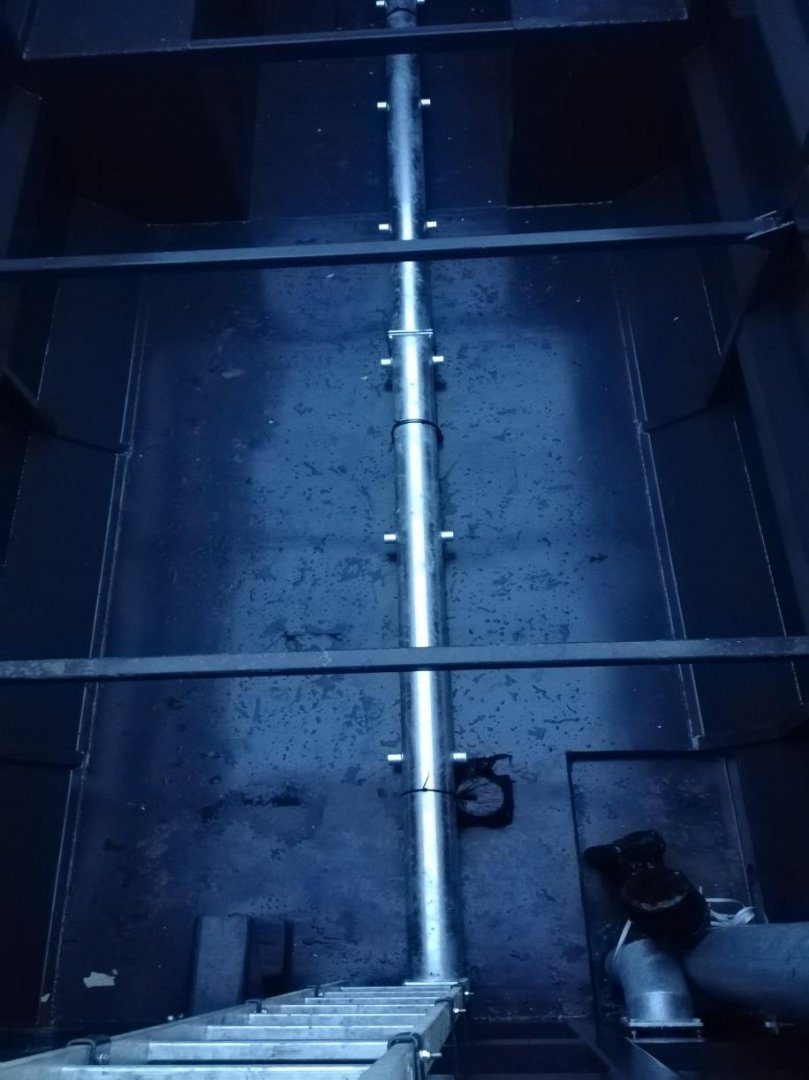
A specialistic, slurry container which can be used as a field reservoir. In our offer there are 50, 70 and 90 cubic meter containers available. They are adapted to be filled either from above or below. They are covered with a special epoxy paint in the inside and on the outside. The container is welded in the inside and on the outside. The containers are also equipped with a 6-inch suction pipe available to be docked to a suction hydraulic arm, viewfinder hole on the rear wall and with a 6-inch KKM connection. Container walls are specifically bent in a way that ensures the walls are protected from the inside pressure of the liquid properly. By default, the containers are equipped with a ball hook KB80. An additional option is a self-cleaning system which allows the sediment on the bottom of the container to be pumped off by shaking it. It can also be equipped with a suction-piston pump on the front wall of the container. Slurry containers have the european homologation.


KG 52M container – 8280 kg

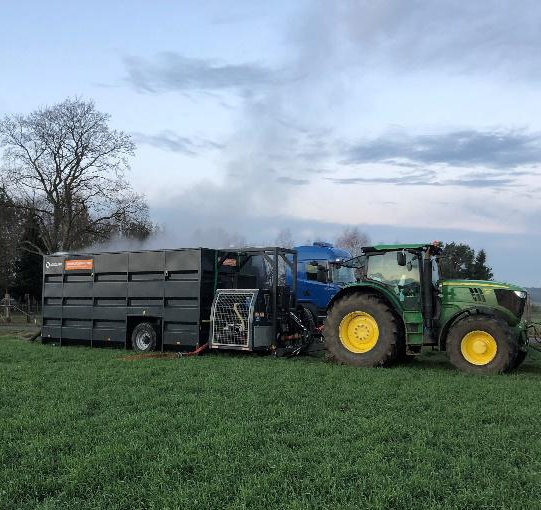
It is a specialized container adapted to apply the liquid manure through a hose system. Its frame is constructed in a way that enables a highly effective liquid manure pump to be mounted in the front part. The pump is powered by a power-takeoff roller by connecting it to e.g. a tractor. It can be additionally equipped with a suction-piston pump on the front or rear wall of the container and with a self-cleaning system.

Slurry containersSlurry containers

Slurry containersSlurry containers


Liquid manure container parameters

Technical parameters Units KG-45 KG-52-M KG-70 KG-90
Total length mm 8830 11990 11950 11950
Total height mm 3830 3850 3850 4000
Total width mm 2550 2550 2550 3000
Curb weight kg 5200 8800 6500 7300
Gross vehicle mass kg 6000 9300 7500 8500
 

The first CULTAN units in Slovakia

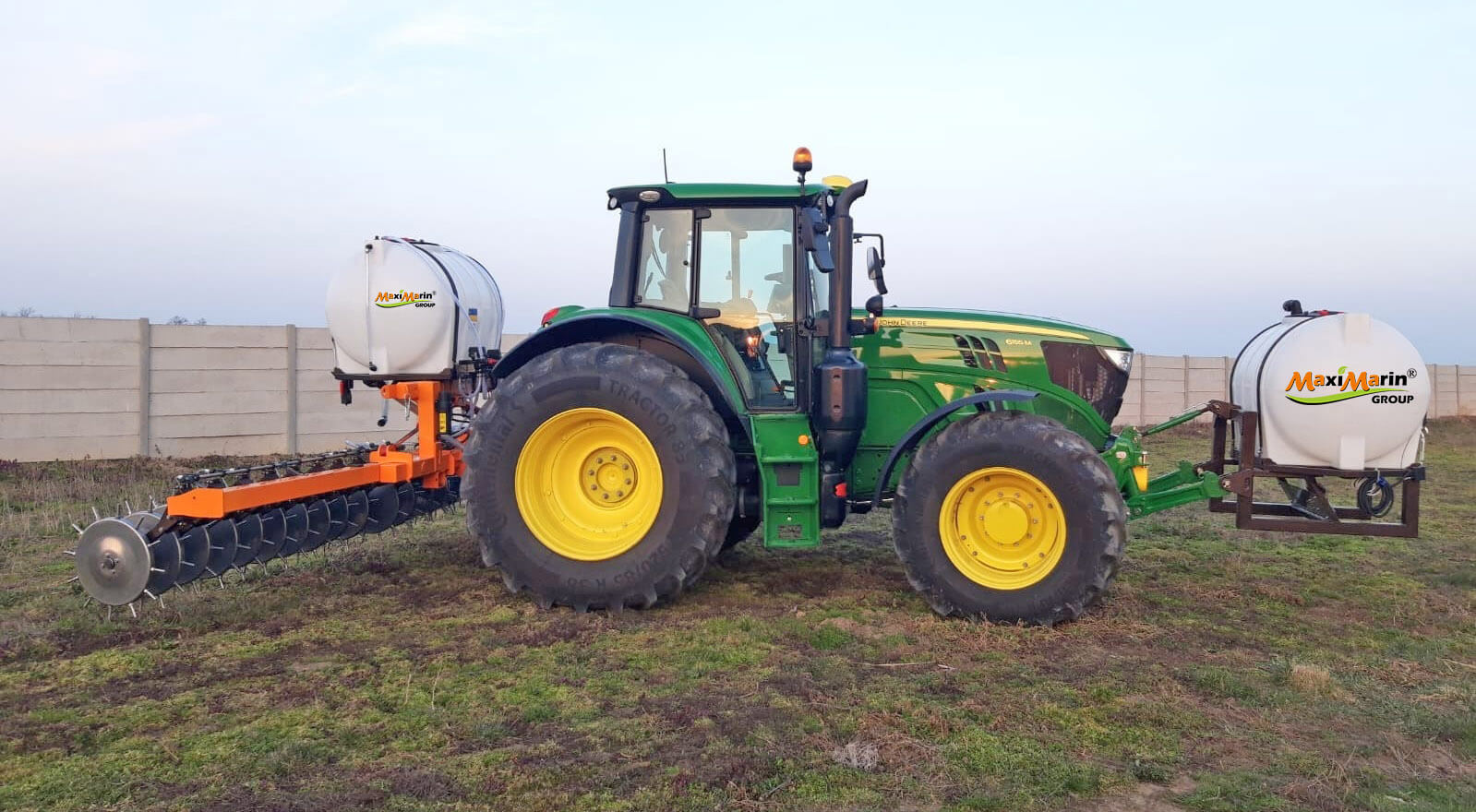
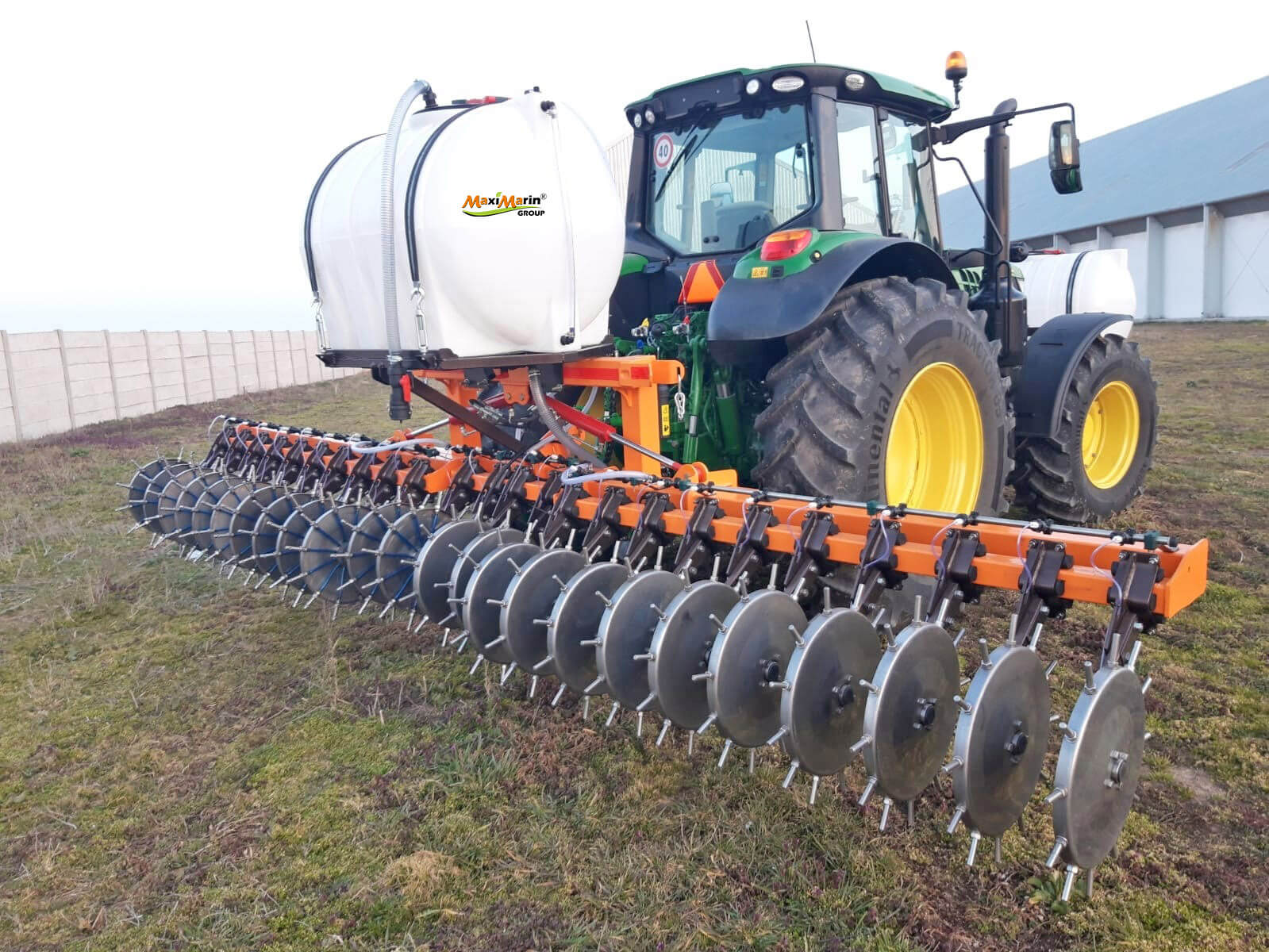
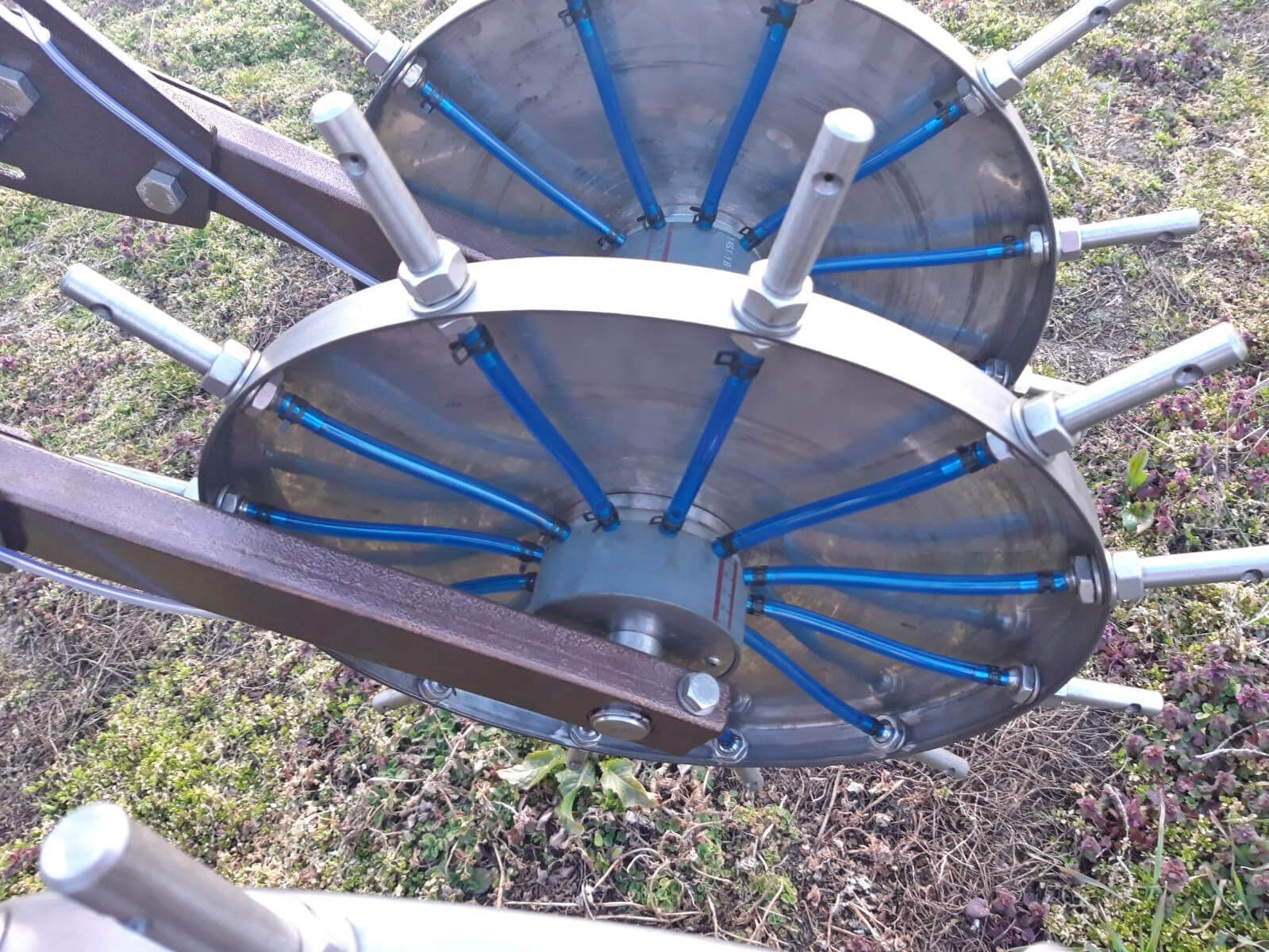
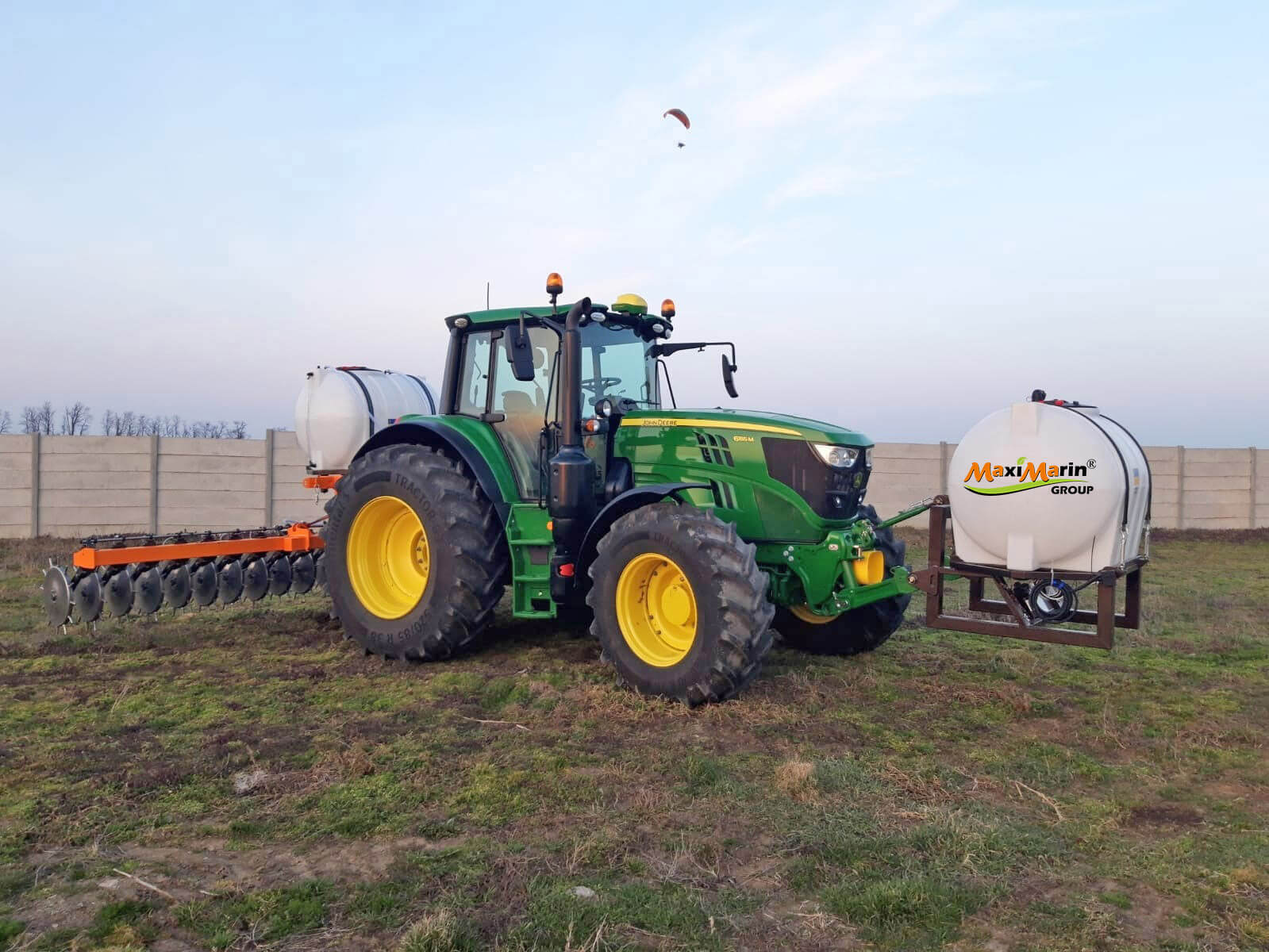
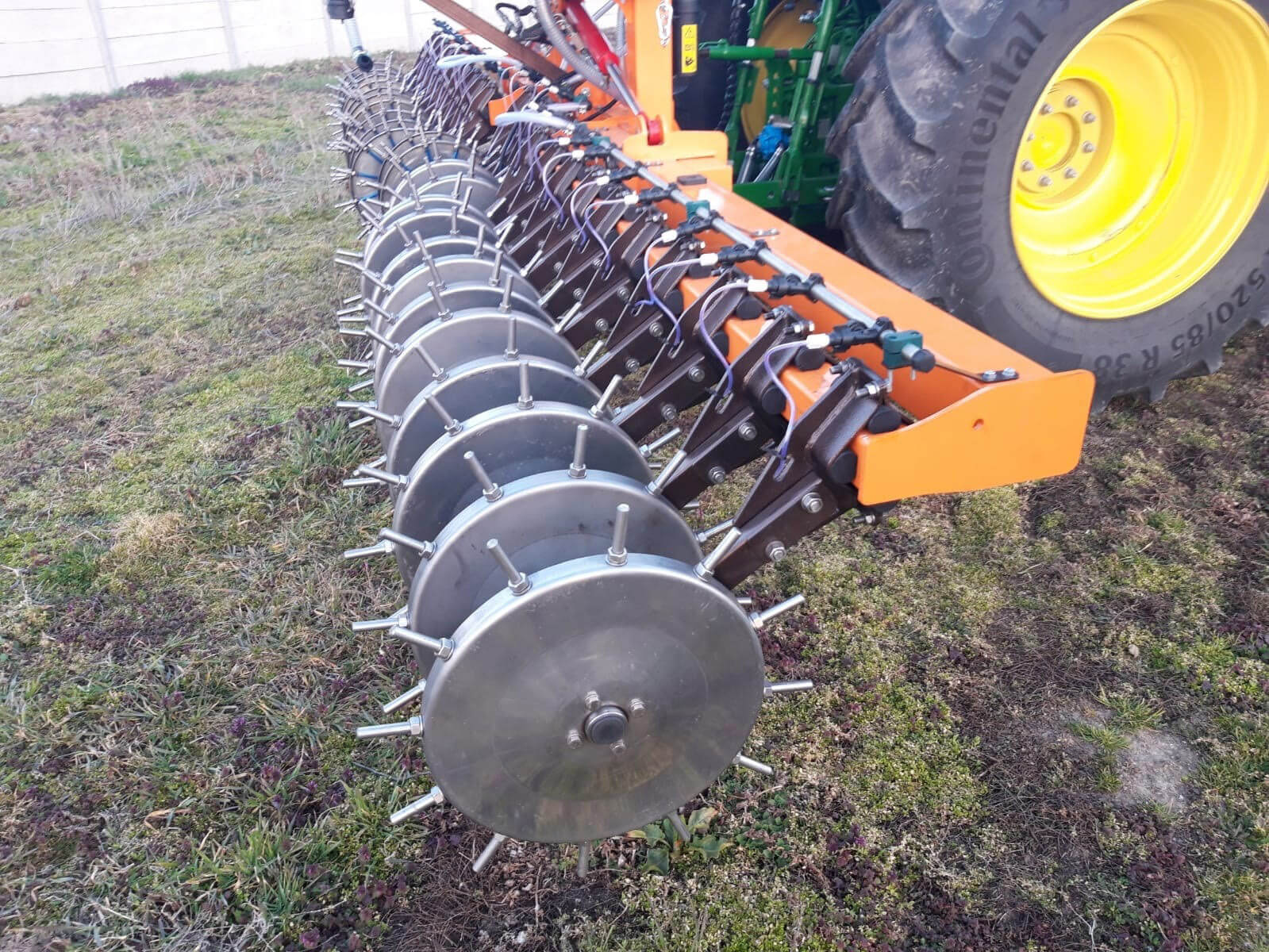
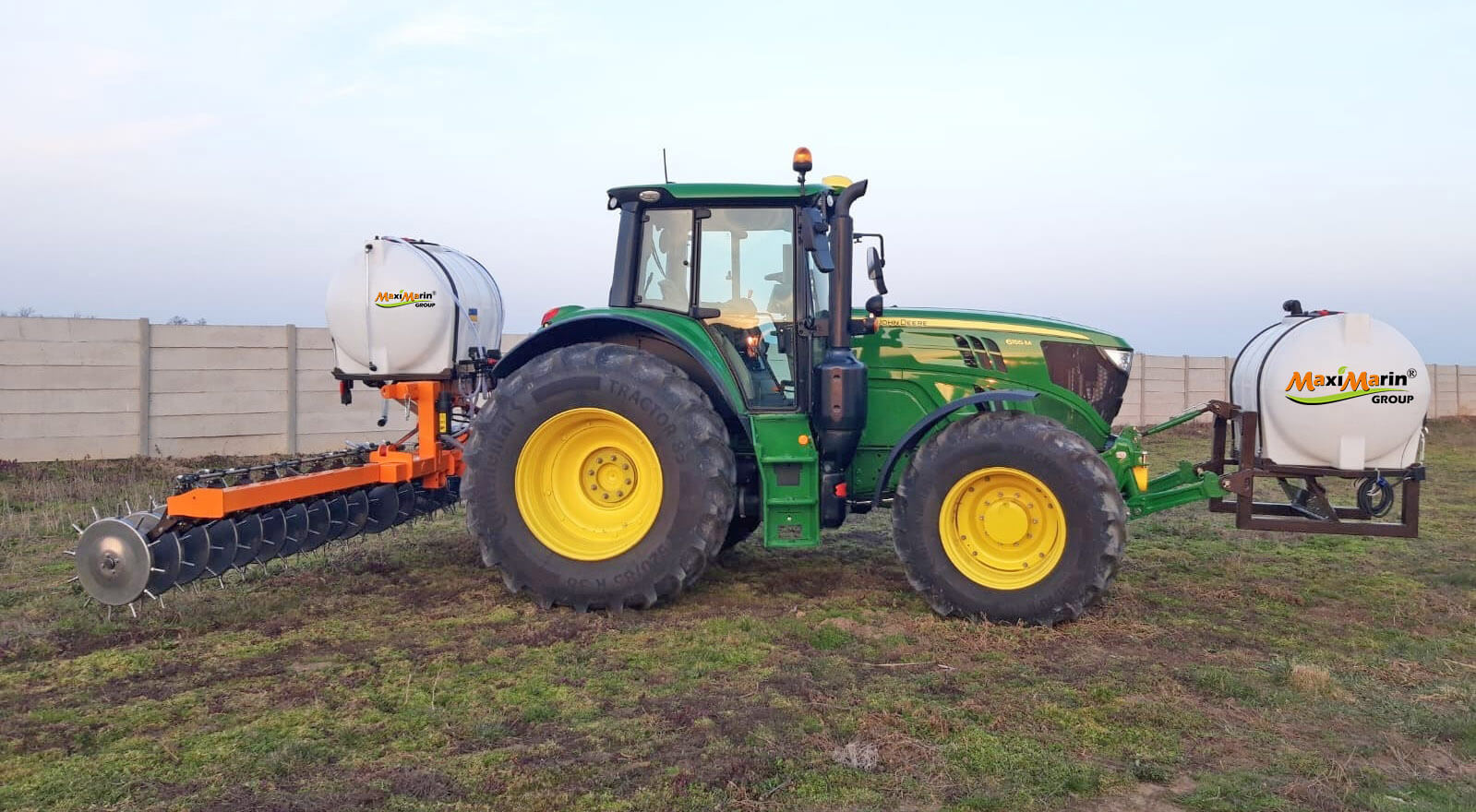
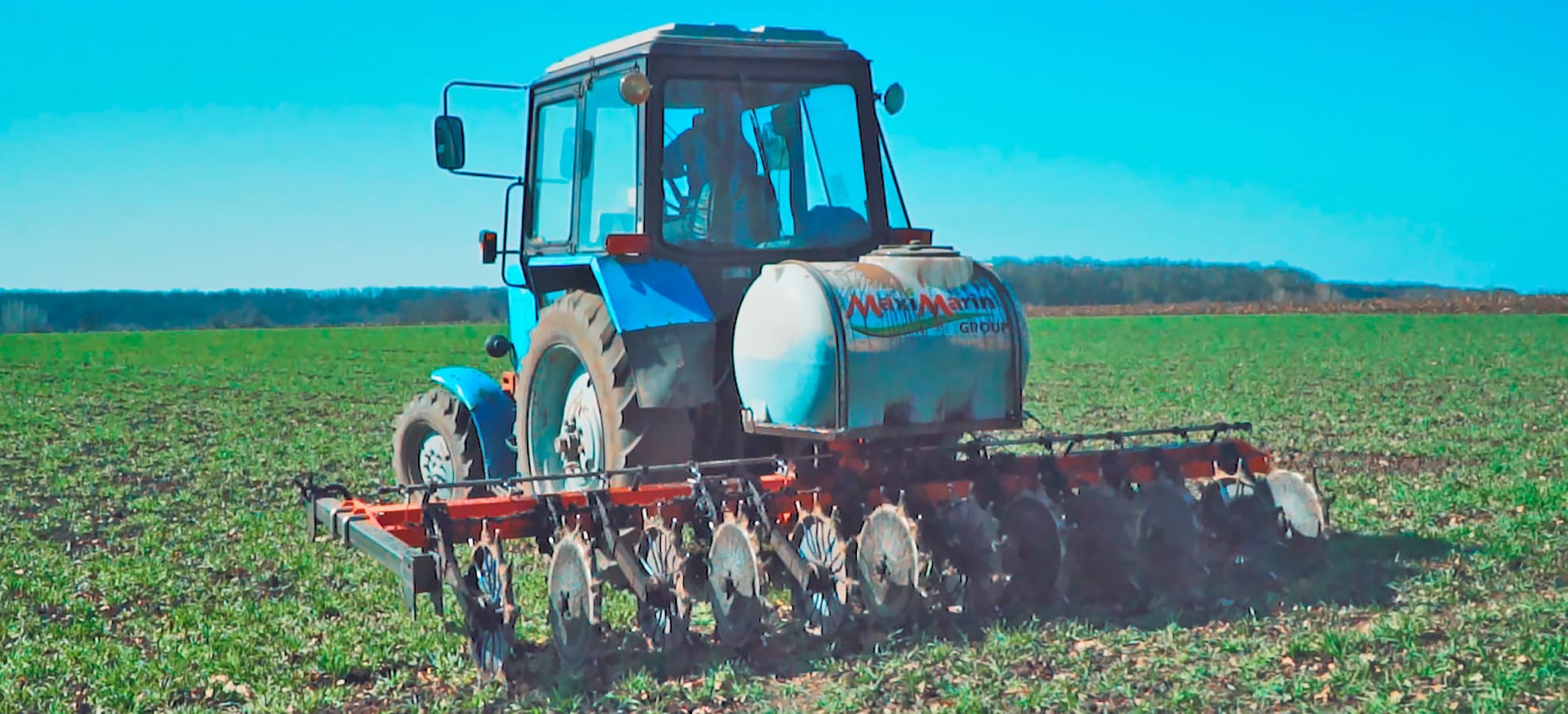
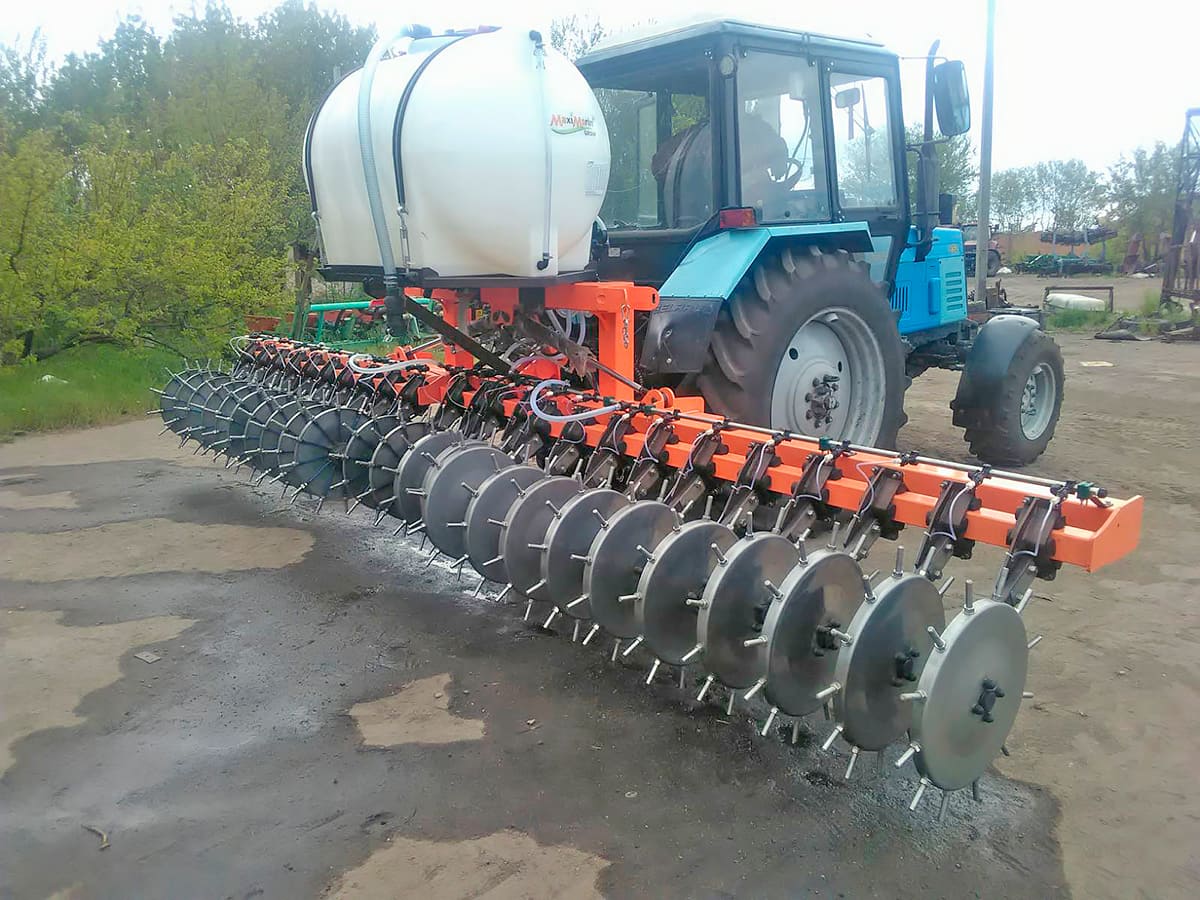
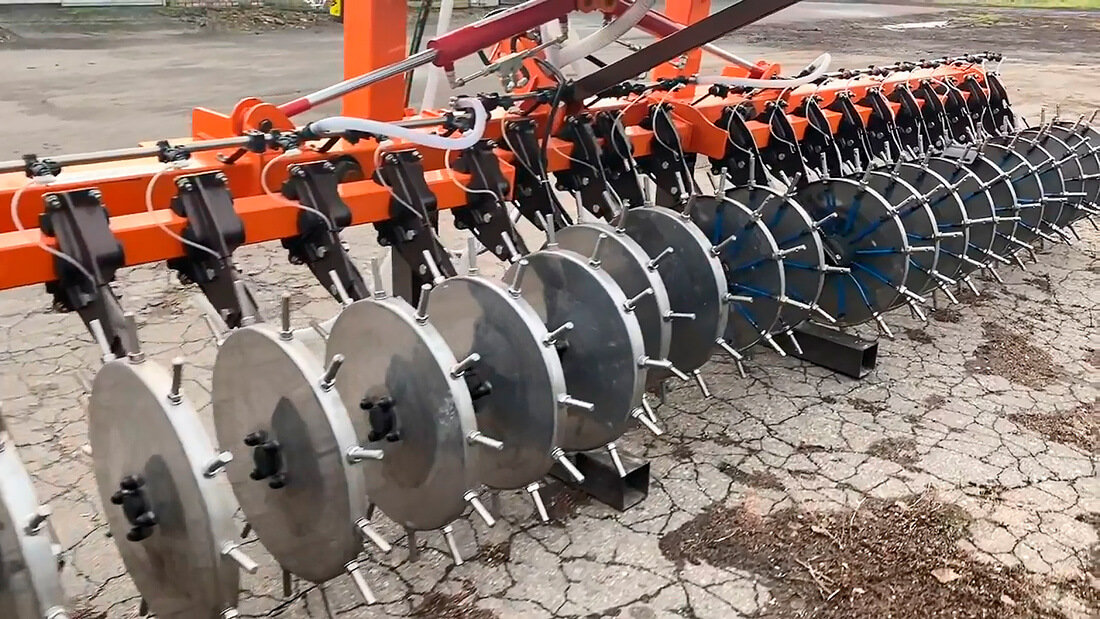
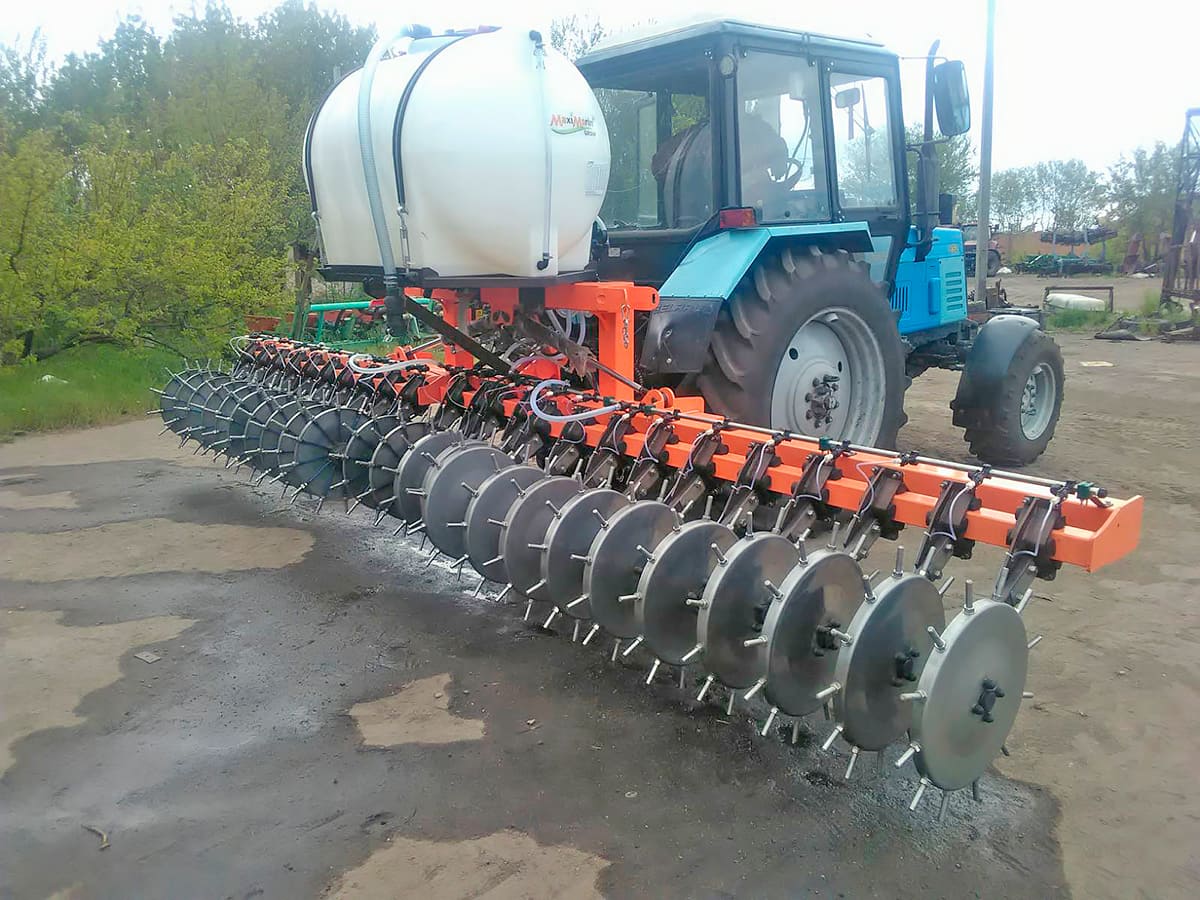
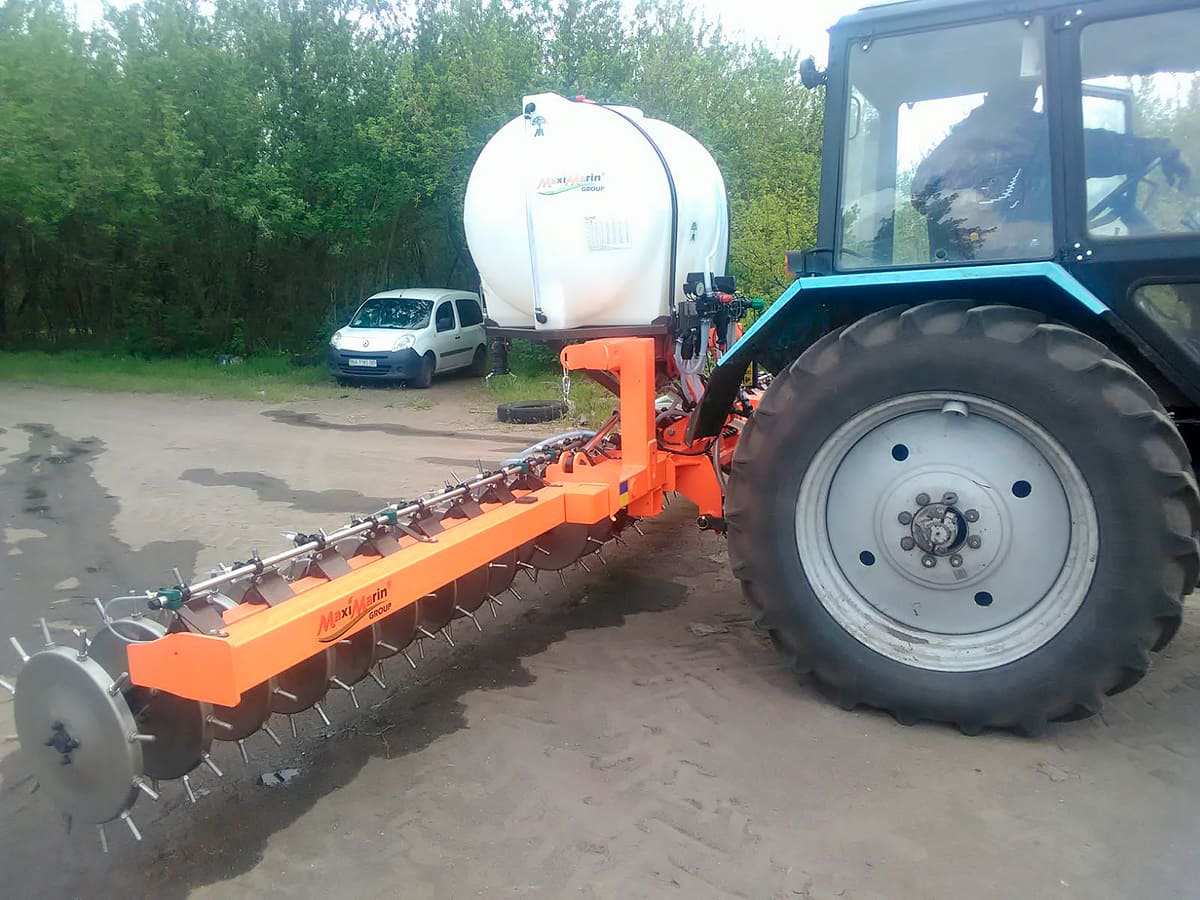
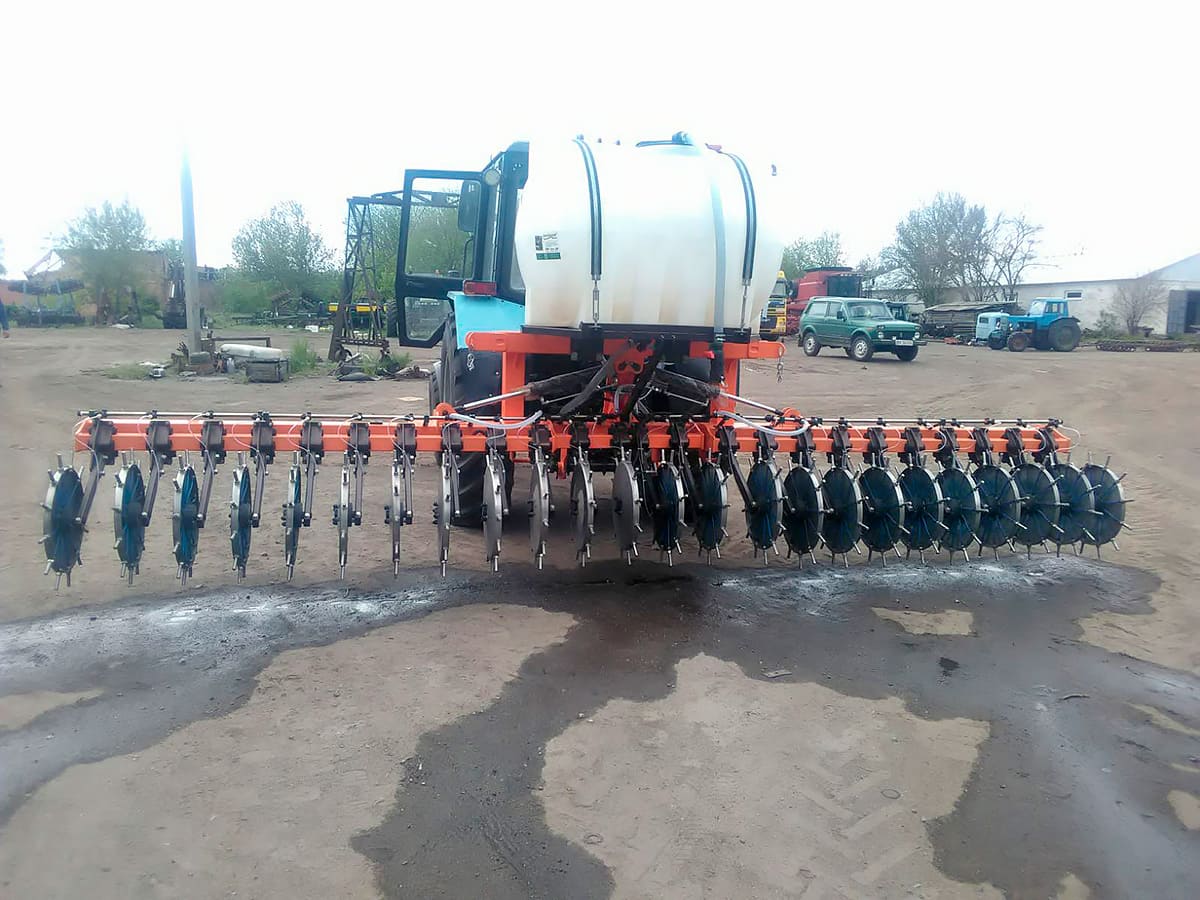
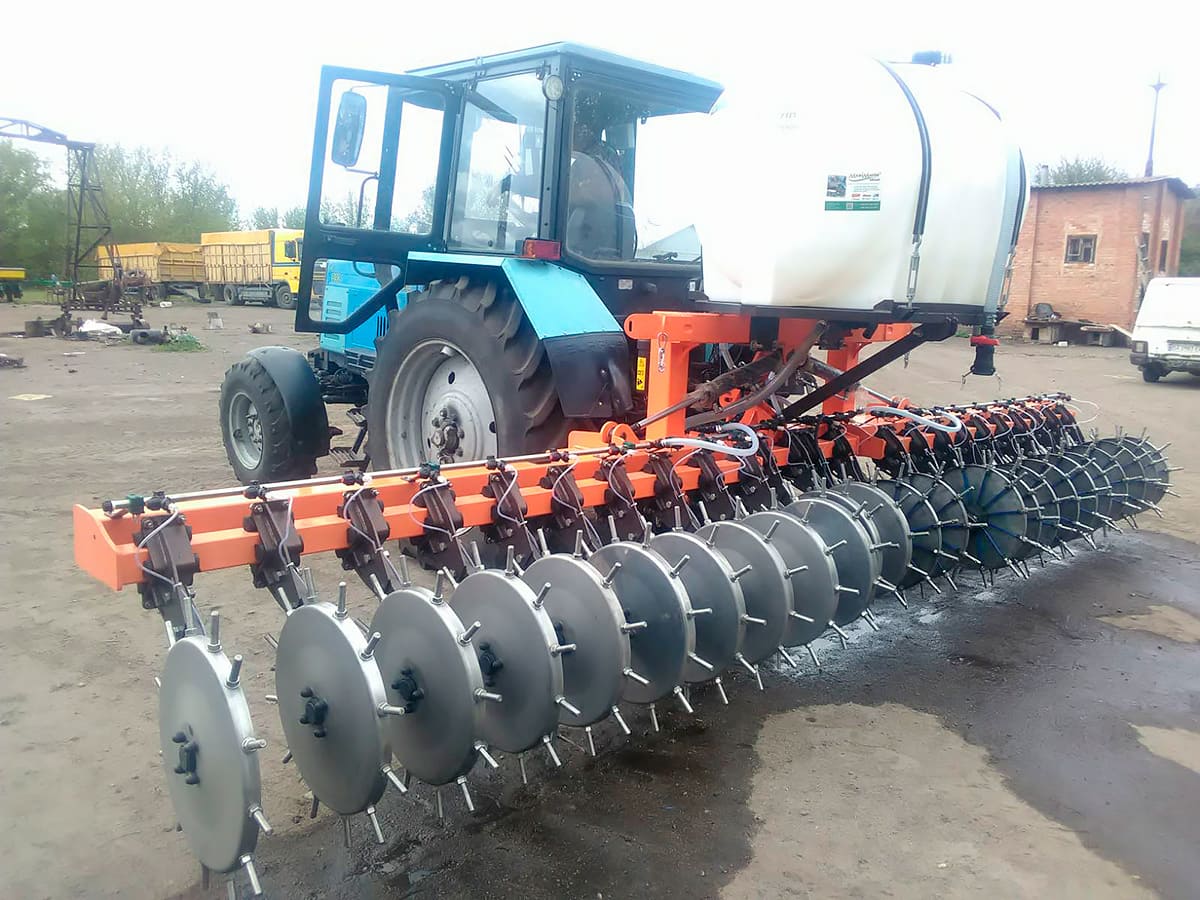
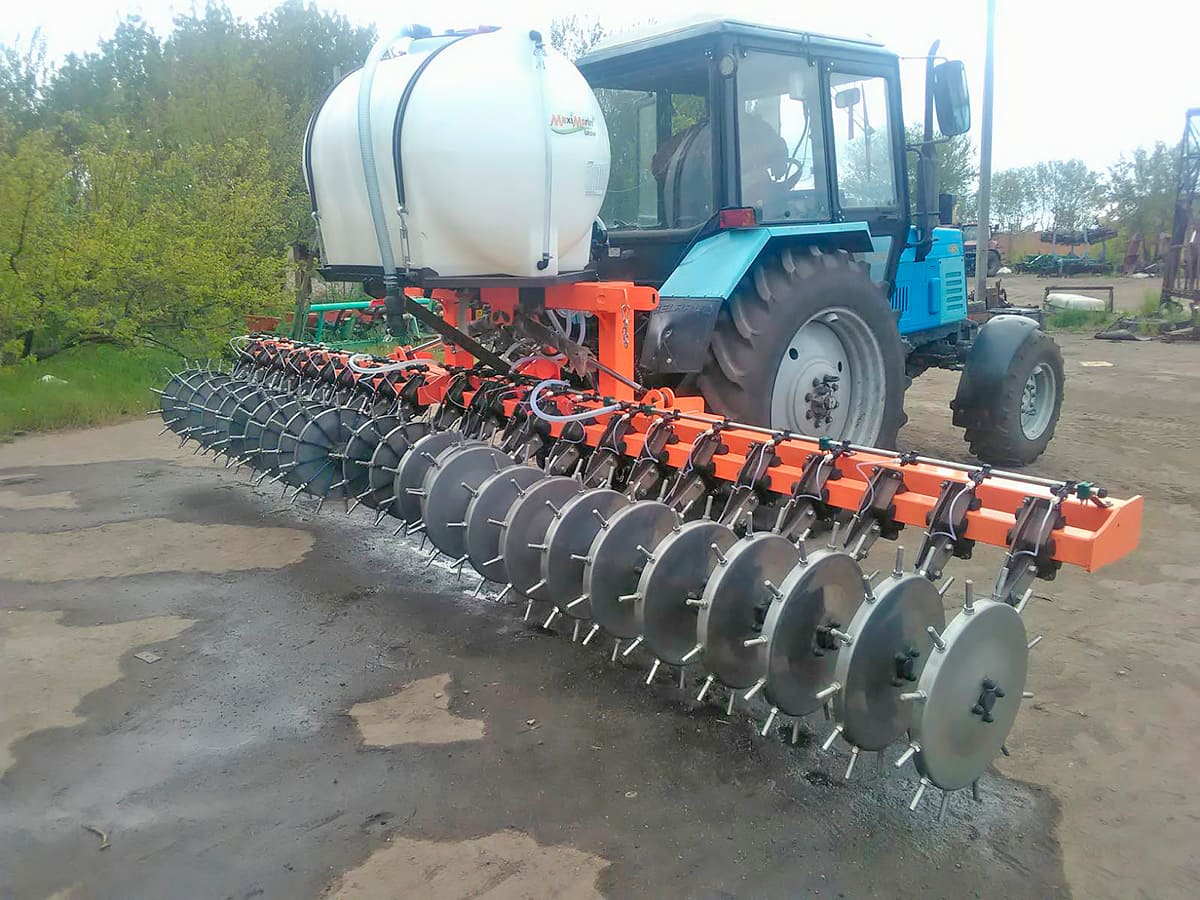
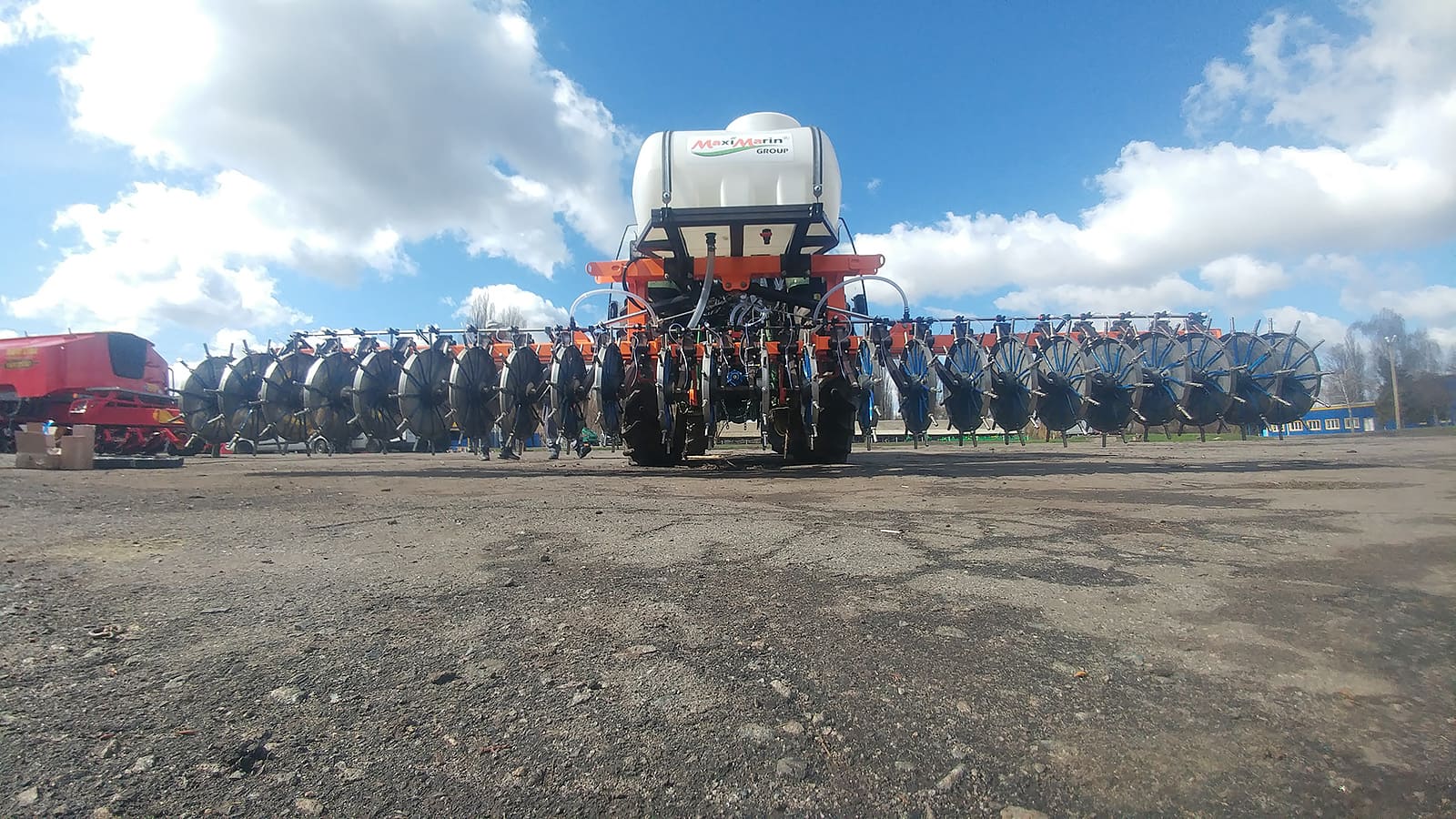
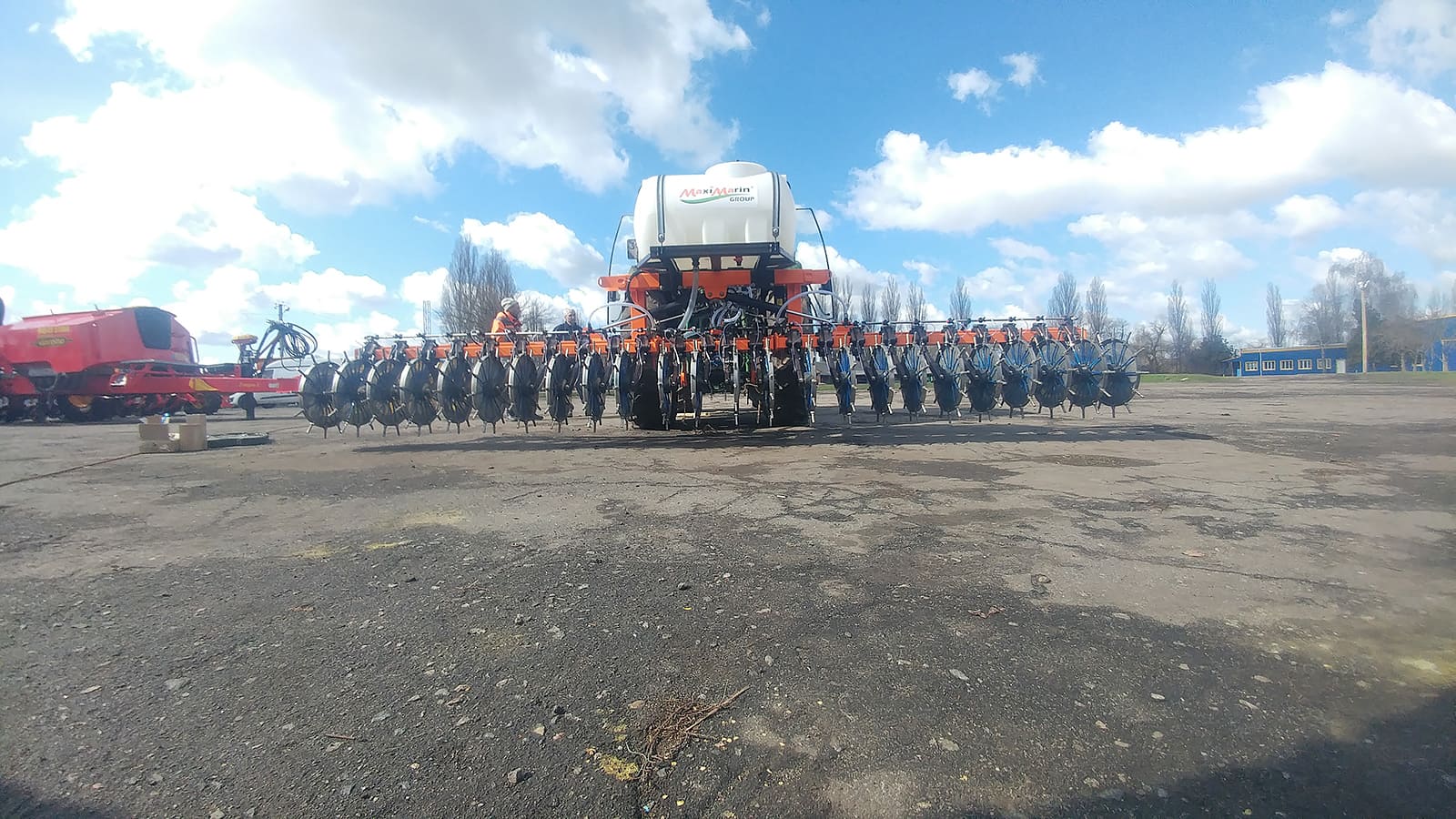
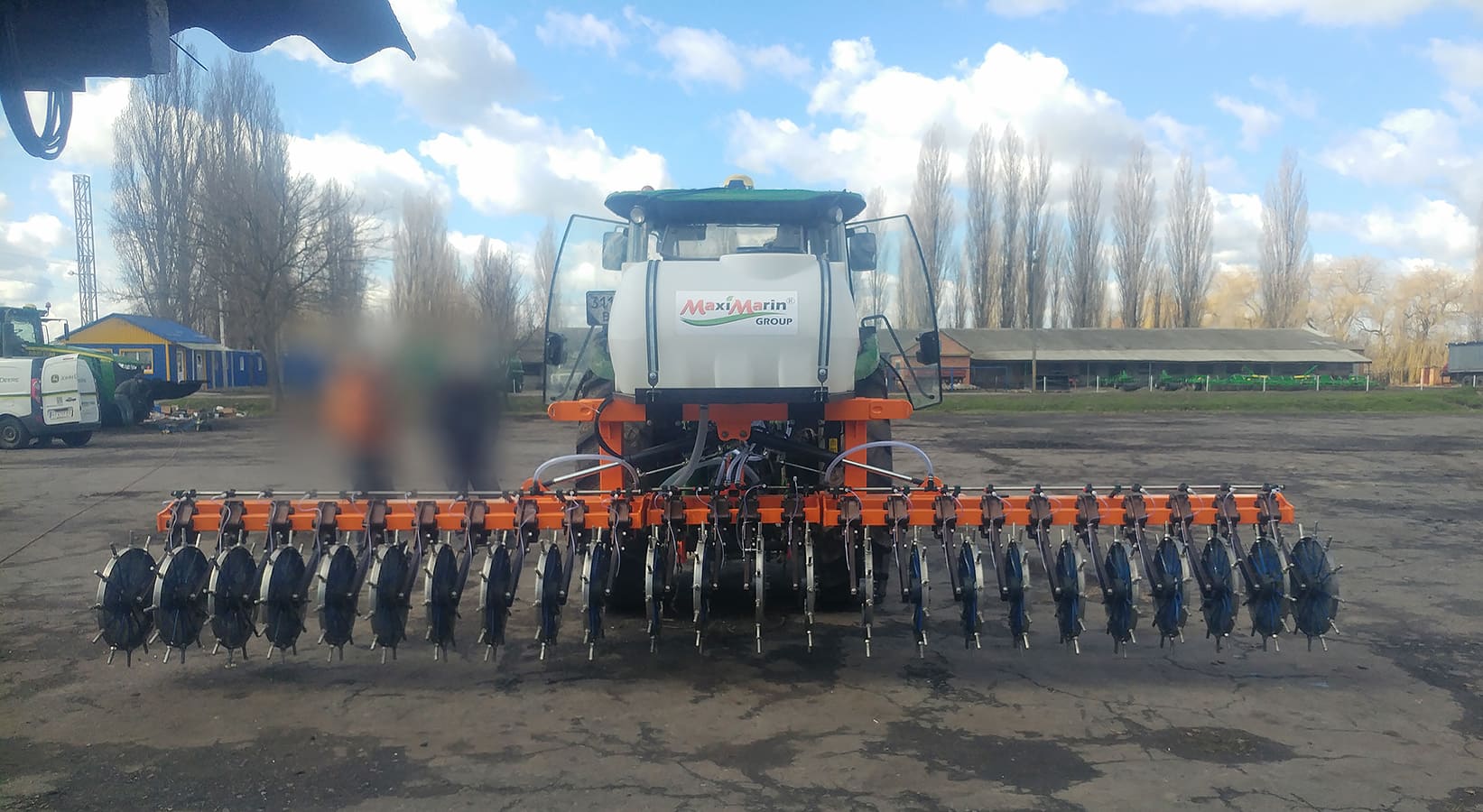
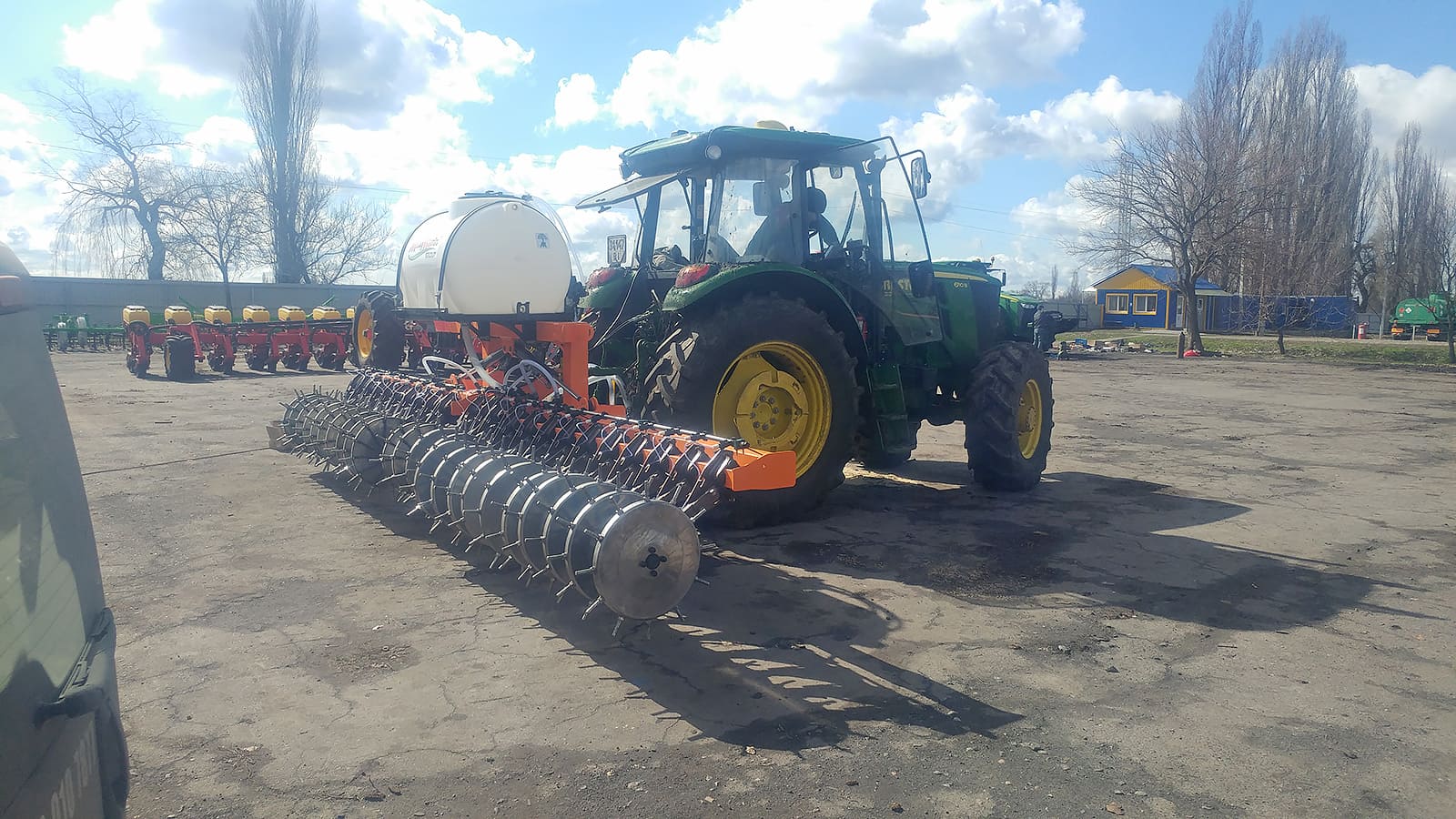
The first CULTAN units in SlovakiaThe first CULTAN fertilizer application unit was put into operation in Slovakia.

This is a six-meter mounted unit with two tanks, a total volume of 2000 liters.

One tank for liquid fertilizers is mounted directly on the mechanism, the other one is mounted on the front hitch of the tractor.

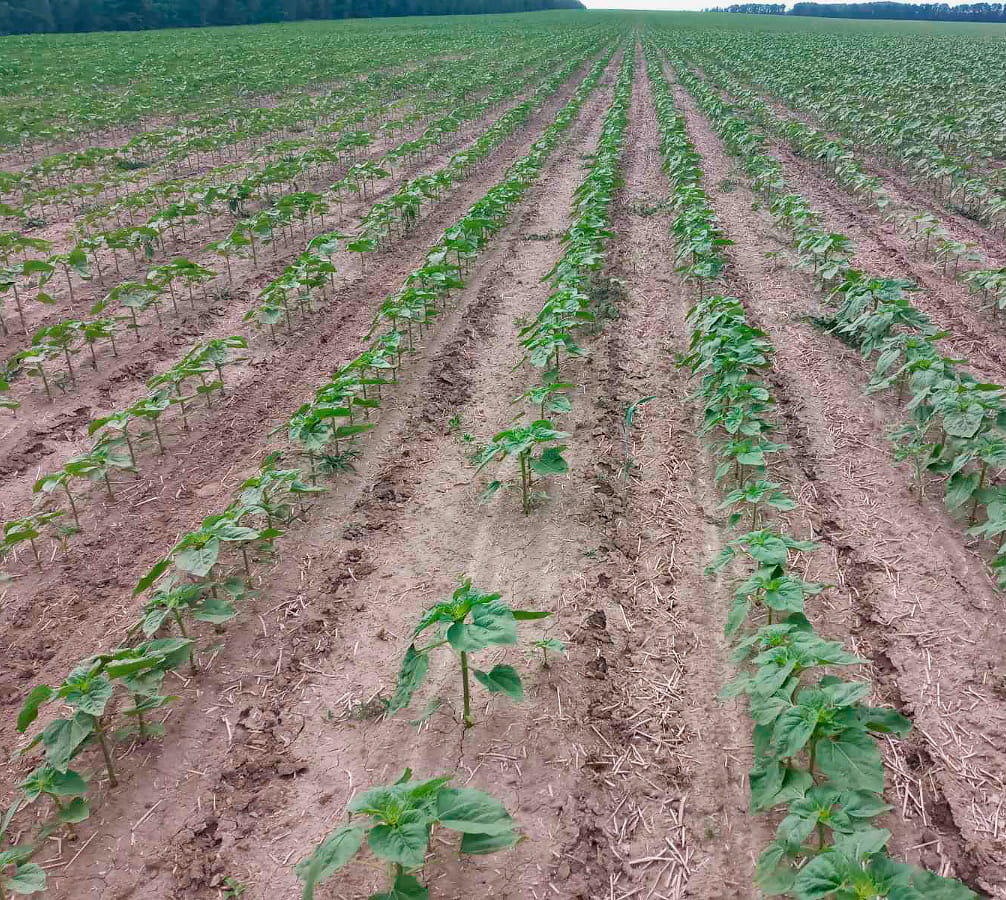
Advantages of this type of aggregation, in comparison with trailer mechanisms cultan, are that maneuverability of a tractor on turns is not lost. This is especially noticeable when applying liquid fertilizers to the soil, such as UAN and liquid complex fertilizers, on row crops, such as corn or sunflower.


Top 10 recommendations for applying liquid fertilizers
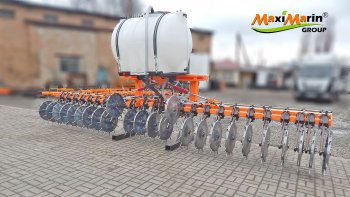
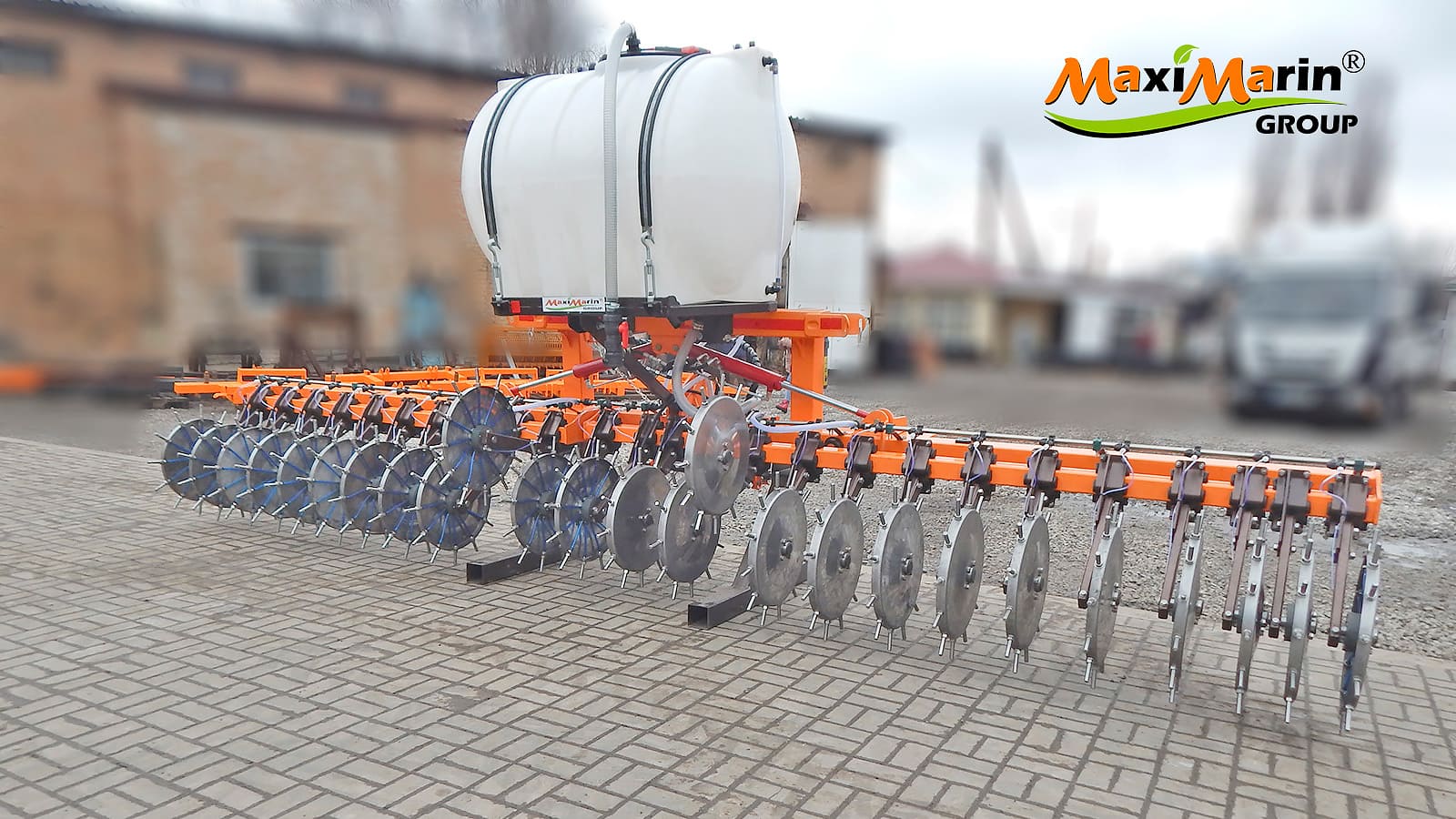
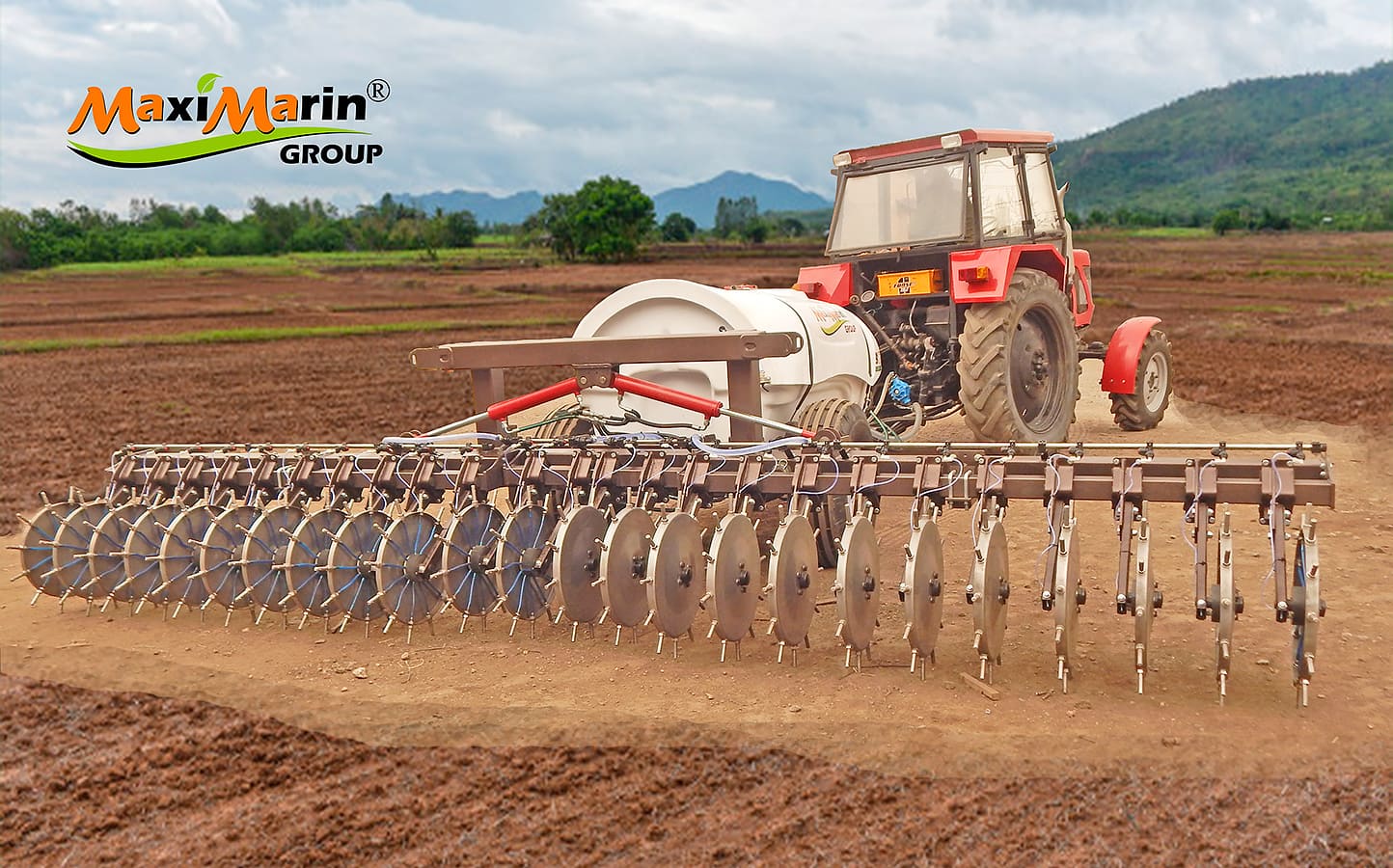
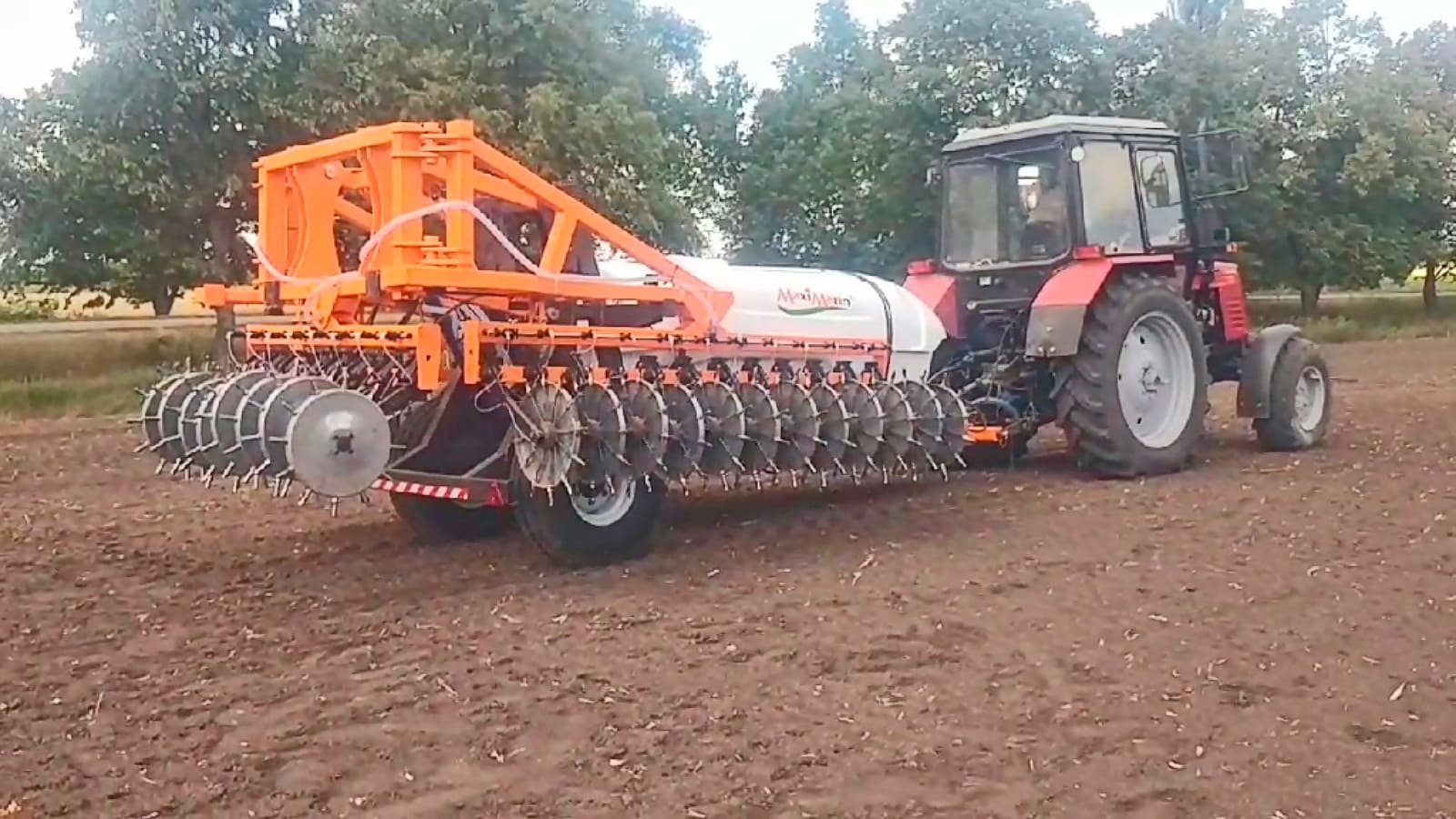
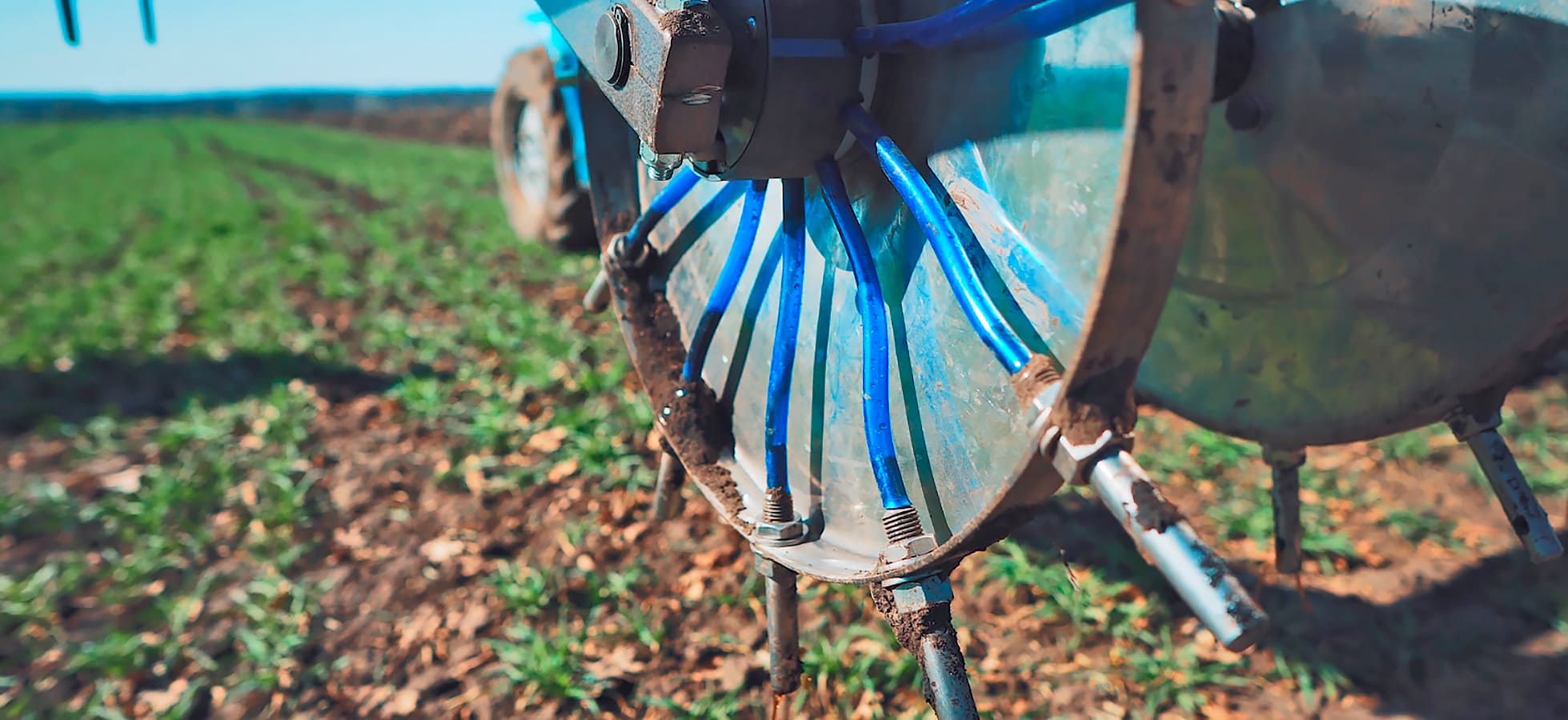
CULTAN injectors for fertilizer applicationSimply finding and buying liquid fertilizers is not enough, judging by the experience of agribusiness representatives.

They must also be used correctly to achieve the main goal of every farmer - a bountiful and tasty harvest.

Here are ten basic and useful recommendations from experts on the proper application of liquid fertilizers.

1.The stage of plant development should be taken into account before applying liquid fertilizers. The same plant needs different substances at different stages of its life cycle. For example: nitrogen is a priority in the initial period of development, and in preparation for winter, the plant needs to get a sufficient supply of potassium. This is important to consider before applying a fertilizer.

2. The nutrient solution should be used immediately after cooking. Liquid fertilizers that are ready for self-use and those that are added to tank mixes are stored for only a few days.

3. Feeding should be carried out under favorable conditions. The soil and air should be warm enough to apply liquid fertilizers by root and foliar methods. That is, the snow should melt by the time the liquid fertilizer is applied.

4.It is safer to apply the mixture to moist soil. When applying fertilizer to dry soil, the concentration of the solution increases, which suppresses the plant. Try to water the soil without flooding it before applying fertilizer.

5. . Do not exceed the dosage of liquid fertilizers specified in the instructions. Concentrated, water-soluble fertilizer is a preparation that is balanced in the composition of micro- and macronutrients, vitamins and minerals. Therefore, if the mixture is diluted with water in insufficient proportions, the roots, seeds or leaves of plants (depending on the method of fertilization) may receive chemical burns due to overdose.

6. . It is necessary to take into account the quality of soil fertility and the amount of fertilizers applied when determining the dosage. Determining the rate of application of liquid fertilizer in the autumn should depend on the specific type of soil and whether the fertilizer was applied to the soil after winter.

7.Terms of fertilizer application must not be violated. The type of liquid fertilizer affects the seasonality of their application. Nitrogen preparations are applied in the spring. Preparations in which nitrogen is present in ammonia form can be applied not only in spring but also in autumn in clay and loamy soils. Potassium chlorine-containing fertilizers are best applied in autumn; Potassium products that do not contain chlorine can be applied in both autumn and spring. And if the application takes place in sandy soil, then in the summer. Phosphorus fertilizers can be applied during spring and autumn.

8.Do not spray liquid fertilizers when exposed to sunlight. Foliar treatment of plants with liquid fertilizers is recommended in the absence of direct sunlight, preferably in the evening.

9.The plant should be sprayed with water after applying the mixture by soil. This will help avoid burns to the leaves in case of accidental drops of the solution. Because, the solution for root feeding of plants is more concentrated than for their spraying.

10. Take into account the specifics of a particular liquid fertilizer when applying it. It is proved that in high doses, nitrogen leads to the accumulation of nitrates in fruits and vegetables. Therefore, the application of liquid nitrogen fertilizers should be completed one month before harvest.


 

Some interesting facts about CULTAN injectors for fertilizer application.

  1. 1. CULTAN - Controlled Uptake Long Term Ammonium Nutrition.
  2. 2. CULTAN fertilizer application units were first demonstrated at the University of Bonn in the late 1960s. Author Carl Sommer used it to fertilize pastures, cereals and row crops, vegetables and even grapes.
  3. 3. The first Ukrainian development was presented at the exhibition AGROEXPO-2019 in Kropyvnytskyi by PE “Agroremmash-Plus”.
  4. 4. At the application rate of 120 l/ha - each injection is 0.38 cubic cm of liquids (UAN).
  5. 5. The unit produces 308,000 UAN injections into the soil per hectare.

CULTAN injectors for fertilizer application


Reduction of mineral fertilizer application rates without loss of efficiency.

injector Cultan Mineral fertilizers such as nitrate, urea, ammophos, UAN 32, set new value records every day.

For example, the cost of a ton of UAN 32 exceeded 20,000 UAH and continues to grow. To give up fertilizers due to loss of yield is a step to nowhere.

In order to reduce the rates of mineral fertilizers and at the same time not to lose their effectiveness and as a consequence their yields, fertilizers must be applied exactly where they will be in demand by plants.

As an example, this may be the Stripp-Till technology, in which fertilizers are laid only in a row and are not used between rows of row crops. Or UAN application technology and CULTAN liquid complex fertilizers, in which liquid mineral (nitrogen) fertilizers are applied pointwise and directly under the root system of already vegetative crops, such as wheat, barley, rapeseed, etc.

CULTAN technology allows reducing the application rate of a fertilizer on 50-60% compared to granular fertilizers and on 25-35% compared to liquid fertilizers by spraying. And the efficiency remains the same.

Due to the fact that UAN and liquid complex fertilizers are applied to a depth of 5-7 cm, nitrogen does not evaporate and the vegetative crop immediately begins to consume it.

Economic efficiency will be from 1000-2000 UAH per 1 hectare, only on fertilizers. Numerous experiments show that the increase in yield can reach 17-20%.